
Custom Packaging for Food Products: Why It Hurts Market Entry | YGF
If you’re launching a food or supplement product for the first time, there’s a 90% chance you’re thinking about custom packaging way too early.
Most founders do. It’s completely normal.
You finally have an idea you believe in, you start picturing the brand on shelves, and suddenly the packaging becomes the emotional centre of the whole project. You want the pouch to feel premium. You want the jar to be unique. You want the gummy to be in a custom mould with your logo stamped into it.
And on paper, it makes sense. Branding matters. Shelf presence matters. Differentiation matters.
But at market entry?
Custom packaging and custom moulds are usually one of the worst business decisions you can make.
Not because they’re bad forever. They’re not. But because they create high MOQs, kill cashflow, delay launch, and trap you into decisions you haven’t earned yet.
This article explains why that happens, what custom packaging actually does to your production plan, and how smart brands launch professionally without burning money before the first sale.
What is “custom packaging” in food and supplement manufacturing?
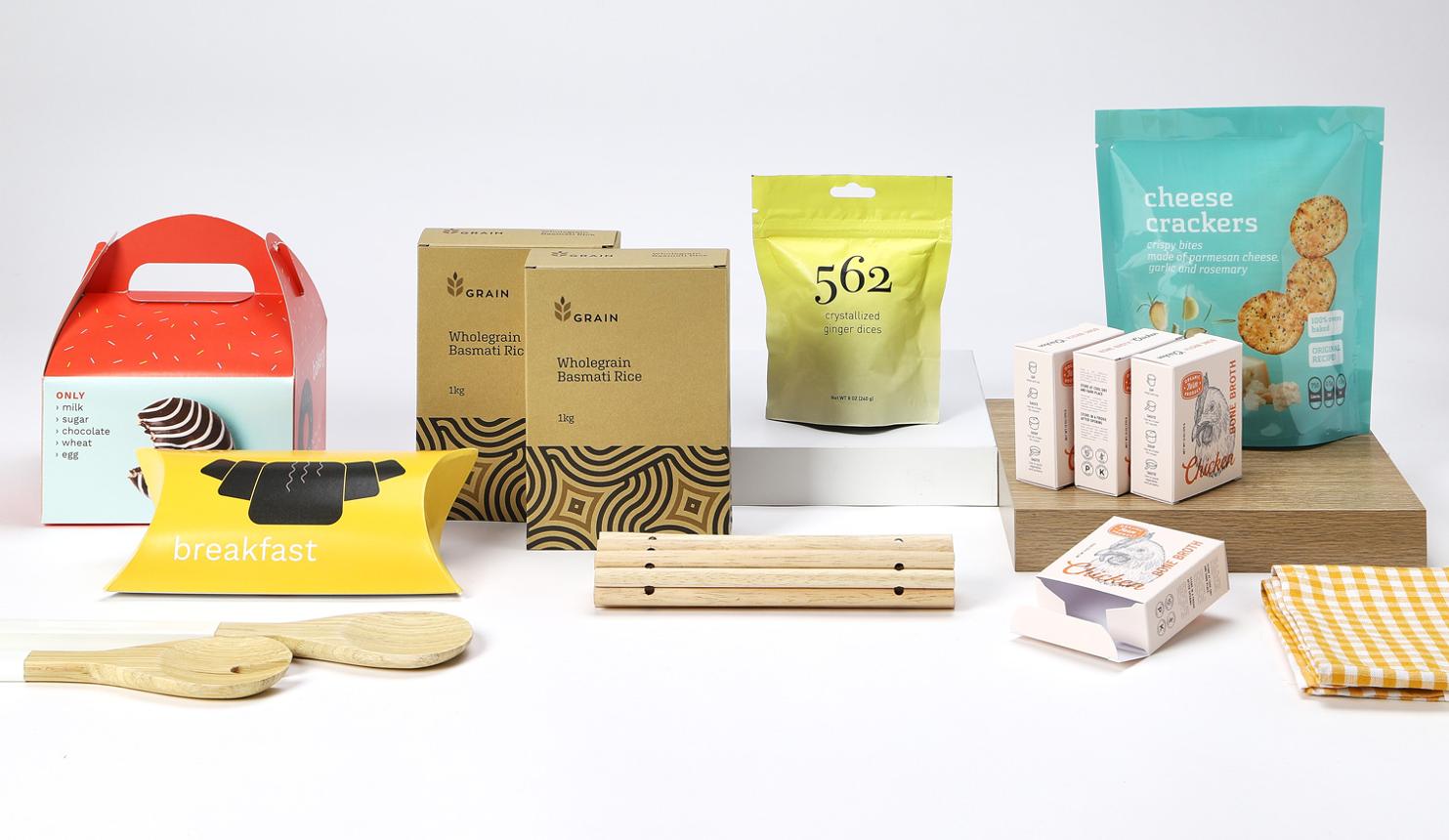
In manufacturing, custom packaging usually means one of these:
custom printed pouches (digital print or rotogravure)
branded tubs with direct print or custom sleeves
custom box packaging (cartons)
shrink sleeves for bottles
custom jars or bottles
custom scoops or fitments
custom inserts / leaflets / foils
Custom moulds are similar. They’re typically:
custom gummy moulds (new shape)
embossed chocolate moulds
unique bar shapes / bar mould tooling
custom tablets (logo stamp, unique form)
Founders often treat these as “branding decisions.”
Manufacturers treat them as operations decisions.
And that mismatch is where the problems start.
The biggest reason custom packaging is dangerous: it forces huge MOQs
Here’s the brutal truth:
Most packaging suppliers have minimum print runs.
So even if a manufacturer is happy to do a smaller first production, packaging minimums force you into big volumes anyway.
Typical packaging MOQ ranges (Australia / common suppliers):
Custom printed pouches: 5,000–20,000+
Printed cartons: 1,000–10,000+
Shrink sleeves: usually high minimums depending on format
Custom tubs / direct print: often requires larger commitments
Labels: smaller minimums, but still typically 1,000+
This is how a founder ends up manufacturing 10,000 units when they only wanted to test 500.
Not because manufacturing demanded it — because packaging did.
And the worst part?
Once you’ve paid for the packaging, you’re psychologically trapped. You feel like you must proceed with manufacturing at scale even if you’re unsure about demand, because you don’t want to waste the packaging spend.
Custom moulds sound premium… until they destroy speed and flexibility
Custom moulds are seductive. They make founders feel like they’ve created something “proprietary.”
But at market entry, custom moulds often create more harm than benefit.
1) They add upfront cost before revenue
Even if the mould cost is only a few thousand dollars, it’s still money being spent on something that doesn’t increase sales at market entry.
At launch, your limited budget is better spent on:
faster manufacturing
product improvement
paid traffic tests
creators / UGC / sampling
conversion optimisation
You don’t win because the gummy shape is a triangle instead of a bear.
You win because people buy it, love it, and buy it again.
2) They delay your launch (a lot)
Mould timelines are rarely straightforward.
There’s typically:
mould specification
design
fabrication lead time
first trial run
problem solving (release issues, weights, tolerances)
second trial run
If you’re doing gummies, chocolates or specialty shapes, the mould almost always adds friction before the production even begins.
Speed matters at market entry. Your job is to launch before your motivation, budget, and patience expire.
3) They lock you into a manufacturer
This is the hidden killer.
Custom tooling often becomes tied to a manufacturer’s line, equipment, or process.
That means if:
pricing changes
they become slow/unresponsive
their quality slips
you need to scale elsewhere
…it becomes harder to switch manufacturers.
Early-stage brands should protect optionality, not sacrifice it.
The less obvious cost: custom packaging increases errors and waste
This one surprises founders.
The more components you introduce, the more things can go wrong:
packaging arrives late
packaging colour doesn’t match proof
film print is slightly off
barcodes are missing
compliance details are wrong (ingredient order, allergens, claims)
packaging doesn’t run well on machinery
seals fail
cartons scuff
shrink sleeves don’t apply correctly
When you use stock packaging + labels early, you dramatically reduce the risk of expensive mistakes.
Custom packaging is best once your product and supply chain are stable.
“But I need custom packaging to look premium” — no, you don’t
This is one of the biggest misconceptions in the industry.
At market entry, you don’t need custom packaging to look premium.
You need:
a clean label design
a strong hero claim
sharp typography
strong photography
a professional website
consistent brand tone
Most customers won’t even see your packaging in real life before purchase.
They will see it as:
a product tile on Shopify
a thumbnail in an ad
a creator video
an unboxing clip
A stock pouch with a well-designed label can look more premium than a badly designed custom pouch.
The real problem: founders confuse “branding” with “traction”
Custom packaging feels like progress.
It’s exciting. It’s tangible. It’s something you can show friends. It feels like you’re building a real brand.
But a brand isn’t real until customers buy.
So here’s the reality:
Custom packaging and moulds don’t create traction.
They often delay traction.
And traction is the only thing that matters at market entry.
The smarter market entry strategy (used by brands that actually survive)
If you want the fastest, lowest-risk launch path, here’s the play:
1) Use stock packaging + high-quality labels
This is the #1 strategy used by profitable brands in their first year.
It reduces:
MOQ
upfront cash needed
time to launch
manufacturing risk
And it gives you flexibility if you need to:
change claims
adjust pricing
tweak ingredients
update compliance
refresh branding after feedback
2) Launch with one hero SKU
Multiple flavours at launch is almost always a mistake.
One hero product:
is easier to manufacture
is cheaper
reduces MOQ per SKU issues
simplifies marketing
increases speed to reorder
3) Build demand, then earn packaging upgrades
Once you have:
steady sales
repeat customers
reorder rhythm
stable positioning
…then you upgrade packaging.
That’s when it actually makes business sense, because you have leverage with suppliers and confidence in velocity.
When custom packaging and moulds DO make sense
Custom packaging and moulds become powerful once you have traction.
They’re great when:
you’re moving into retail
you’re doing consistent reorders
you want better unit economics at scale
you want more defensible differentiation
you’re competing in a crowded shelf environment
In other words: custom packaging is phase two.
Market entry is phase one.
The simple rule for founders: don’t spend on aesthetics before demand
If you’re early stage, here’s the rule:
Don’t spend money on anything that doesn’t increase speed-to-market or speed-to-learning.
Custom packaging and moulds are not evil.
They’re just premature.
And premature decisions are what kill brands before they even get the chance to win.
Want the lowest-MOQ launch pathway for your product?
If you tell us:
your product type
packaging format
target price point
how many SKUs you want
We can map out a launch approach that keeps MOQ low, protects cashflow, and still looks premium.
If you’d like that, book a short feasibility call and we’ll show you the fastest path to market entry — without wasting money on packaging decisions too early.
FAQs
Why is custom packaging expensive for new brands?
Because packaging suppliers have minimum print runs, which forces high quantities before you have demand.
Does custom packaging increase MOQ?
Yes. Packaging is often the #1 driver of MOQ, even if manufacturing could run smaller batches.
Do custom gummy moulds increase manufacturing cost?
They increase cost through tooling, trial runs, setup time, and they can create quality risk during early batches.
What’s the best packaging for market entry?
Stock packaging (plain pouches/tubs) with professional labels. It reduces MOQ, cost, and time to launch.
When should I invest in custom packaging?
After traction, once you have repeat customers, reorder rhythm, and you’re scaling into retail or large volume.


